Old Saves, New Feelings: Why American Gamers Keep Going Back to Japan's Greatest Hits

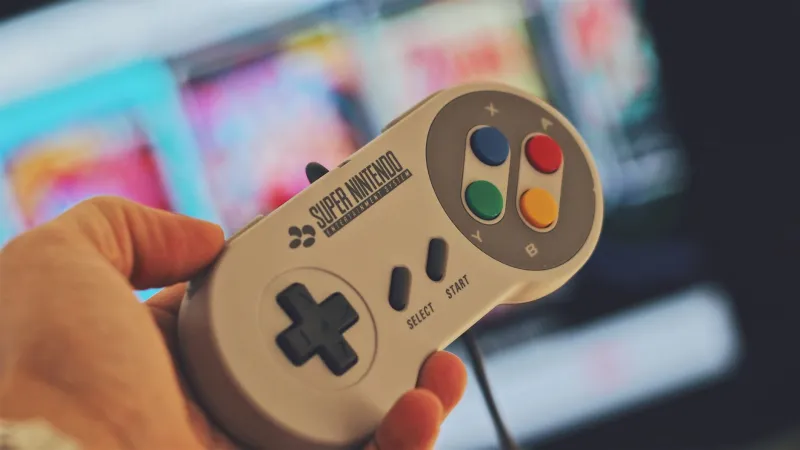
Photo: Nicholas, CC BY 2.0, via Wikimedia Commons
Walk into any gaming discussion online right now — Reddit threads, Discord servers, YouTube comment sections — and you'll notice something interesting. Some of the loudest, most passionate conversations aren't about brand-new releases. They're about games people already played. Games they beat years ago, maybe even decades ago, now rebuilt from the ground up by Japanese studios with modern engines, expanded storylines, and soundtracks that hit even harder than the originals.
The remake and remaster wave out of Japan isn't slowing down. If anything, it's accelerating. And American gamers are eating it up.
More Than a Coat of Paint
Let's be clear about something: not all remakes are created equal, and the Japanese gaming industry has gotten very good at knowing the difference. When Square Enix dropped Final Fantasy VII Remake back in 2020, it wasn't just a graphical upgrade. It was a complete reimagining — new combat mechanics, extended narrative beats, and creative choices that actively challenged what longtime fans thought they knew about Cloud's story. It sold millions of copies in its first week and sparked debates that are still going today.
Then came Persona 3 Reload in early 2024. Atlus took one of the most beloved and emotionally brutal JRPGs ever made and gave it a full makeover: new voice acting, reworked social mechanics, a visual identity so sharp it looked like the game had always existed in this form. Western fans lost their minds — in the best way possible.
These aren't lazy nostalgia plays. They're labors of craft. And American players can feel the difference.
The Nostalgia Factor (But It's Complicated)
Okay, sure — nostalgia is absolutely part of the equation. A huge chunk of American gamers grew up with a PlayStation or a PlayStation 2 in the living room. Final Fantasy VII was formative for an entire generation. Resident Evil 2 was the first horror game that genuinely terrified people. Shadow of the Colossus made players feel guilty about winning.
But here's the thing: nostalgia alone doesn't explain the numbers. Persona 3 was never a mainstream blockbuster in the US when it first released in 2007. It was a niche JRPG with a time-management system that confused half the people who picked it up. Yet Persona 3 Reload debuted to massive sales and critical acclaim from players who had never touched the original. New audiences were coming in fresh, drawn by the reputation the game had built over nearly two decades.
That's not nostalgia. That's legacy.
Why Japanese Design Philosophy Ages So Well
Part of what makes these remakes land so hard is that the underlying design DNA of classic Japanese games holds up remarkably well. The systems are deep. The storytelling is layered. The music is compositionally rich in ways that translate beautifully to modern audio hardware.
American-made games from the same era often feel more dated when revisited — not because they were bad, but because Western design trends shifted so dramatically. Open-world sandboxes replaced linear adventures. Multiplayer dominated single-player. Games chased cinematic realism over stylized expression.
Japanese studios, particularly in the JRPG and action-adventure space, maintained a stronger thread of continuity. The core loop of a Final Fantasy game or a Dragon Quest title feels recognizable across generations in a way that creates genuine comfort for returning players. When you rebuild that foundation with modern tools, you're not fighting against the original — you're amplifying it.
The US Market's Unique Relationship With These Games
There's a specific flavor to how American gamers engage with Japanese remakes that's worth acknowledging. In Japan, these titles often carry a weight of cultural familiarity — they're part of the national gaming conversation in a more embedded way. For American players, there's always been a slight mystique to the best Japanese games. They arrived on these shores with translated text and localized scripts, but they still carried a distinct creative identity that felt genuinely foreign in the most exciting sense of the word.
That distance created a kind of reverence. When a beloved Japanese title gets remade, Western fans don't just see a product update — they see a validation. A signal that the games they championed, sometimes against mainstream skepticism, were always worth the devotion.
Ask anyone who defended JRPGs during the mid-2000s "games are too long and too weird" discourse. The remake era feels a little bit like vindication.
The Conversation Around What Gets Changed
Of course, not every remake decision lands without controversy. The choice to split Final Fantasy VII Remake into multiple parts raised eyebrows. Debates about whether certain remakes stay too faithful or stray too far are a permanent fixture of gaming forums. Resident Evil 3 Remake famously cut content that fans considered essential, and that conversation hasn't fully cooled even years later.
But here's what's fascinating: even the arguments feel different with Japanese remakes. There's an investment in the source material that drives discourse in a way that feels more like literary criticism than product complaints. People care about the intent behind the changes. They want to understand what the developers were trying to say by keeping this scene or removing that mechanic.
That level of engagement is genuinely rare in gaming culture, and it speaks to how deeply these titles have embedded themselves in the American gaming identity.
What's Coming and Why It Matters
The pipeline isn't empty. Metal Gear Solid remake rumors persist. Chrono Trigger sits in the cultural imagination as the great unremade classic. Silent Hill 2 Remake arrived to solid reception and opened the door for more horror revisits. Capcom has made the Resident Evil remake series into one of its most reliable franchises.
For American gamers, each announcement in this space lands with a specific electricity. It's the feeling of being handed a key to a room you thought was locked forever — and finding out the room is bigger and stranger and more beautiful than you remembered.
Japanese studios are doing something genuinely special right now. They're not just preserving their history. They're inviting a new generation of Western players to experience it alongside the people who were there the first time. And in a gaming landscape that can sometimes feel exhaustingly focused on what's next, there's something quietly radical about a genre that insists the past is worth returning to.
Some saves are worth keeping.