From Niche Shelf to Bestseller Table: How Manga Quietly Conquered the American Bookstore
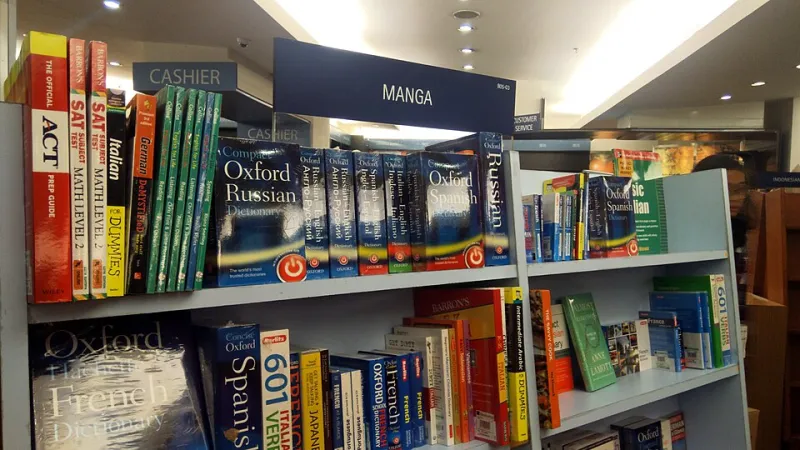
Photo: VulcanSphere, CC BY 4.0, via Wikimedia Commons
Something quietly wild happened to American bookstores over the last few years, and if you blinked, you might have missed the moment it became undeniable. Walk into a Barnes & Noble, a Books-A-Million, or even your local indie shop, and you'll find entire walls — sometimes multiple aisles — dedicated to manga. Not tucked in the back near the hobby magazines. Front and center, sometimes right next to the staff picks.
This didn't happen overnight, but it did happen faster than most publishing insiders expected. And the story of how manga went mainstream in American retail is genuinely fascinating — part business strategy, part cultural shift, and a whole lot of TikTok.
The Numbers Don't Lie
The manga market in the US has been on a tear. According to tracking data from NPD BookScan, manga sales in the American market exploded by over 160% between 2020 and 2022, outpacing virtually every other category in the book industry. Titles like Demon Slayer, Jujutsu Kaisen, and My Hero Academia weren't just selling well — they were cracking the overall bestseller lists, sitting alongside mainstream fiction and celebrity memoirs.
For context, superhero comics — the genre that basically defined American sequential art for decades — have been quietly struggling with declining direct market sales for years. Meanwhile, manga volumes were flying off shelves faster than stores could restock them. Some retailers reported months-long backorders on popular titles, with customers pre-ordering volumes they wouldn't see for weeks.
That kind of demand reshapes a business relationship pretty quickly.
Bookstores Made a Bet — and It Paid Off
Ask any bookseller who was working the floor around 2020 and 2021, and they'll tell you they noticed something shifting. Customers who had never bought a comic in their lives were coming in asking for manga. Young readers, mostly. A lot of them had just watched an anime on Crunchyroll or Netflix and wanted to continue the story.
"We started moving our manga section from the back corner to a more visible spot just to see what would happen," said one bookseller at an indie shop in Austin who asked to remain anonymous. "Within a month, it was our fastest-moving category. We tripled our orders and still couldn't keep up."
Chains like Barnes & Noble made similar calls on a bigger scale. Dedicated manga sections expanded. Endcaps got repurposed. Some locations started running manga-themed promotions and events, the kind of in-store programming that used to be reserved for big YA releases or cookbook signings.
Publishers like Viz Media, Kodansha USA, and Yen Press had been grinding away at the American market for years, but suddenly they were negotiating for better shelf placement and getting it. The leverage had quietly flipped.
BookTok Changed Everything
You can't tell this story without talking about TikTok — specifically the BookTok corner of it, where readers post hauls, reviews, and recommendations to millions of followers. What BookTok did for romantasy novels and dark academia aesthetics, it also did for manga, maybe even more dramatically.
Creators were posting "manga haul" videos that racked up millions of views. Aesthetic shelf organization content — color-coded spines, matching box sets, the satisfying visual of a complete series lined up — turned manga collecting into something aspirational. It wasn't just about reading anymore. It was about the vibe of having a manga shelf.
Casual viewers who had zero prior exposure to Japanese comics were suddenly curious. And because manga is relatively affordable compared to, say, hardcover novels or collector's edition box sets, the barrier to entry was low enough that curiosity converted into purchases fast.
"I found manga through BookTok completely by accident," said Mia, a 22-year-old in Chicago who now owns over 200 volumes. "I saw someone doing a shelf tour and I thought the art looked cool. I bought the first volume of Attack on Titan on a whim and basically didn't sleep for a week."
That pipeline — social media discovery to first purchase to full-series commitment — is the engine behind a lot of manga's retail growth.
The Anime-to-Manga Pipeline Is Real
Streaming also deserves serious credit here. As anime became more accessible through platforms like Crunchyroll, Netflix, and Funimation (now merged with Crunchyroll), the audience for Japanese storytelling expanded dramatically. And anime fans have always had a tendency to chase the source material.
When Demon Slayer became a mainstream sensation — like, people-who-don't-watch-anime talking about it at the office mainstream — a huge chunk of that audience went looking for the manga. Same thing happened with Jujutsu Kaisen, Chainsaw Man, and Spy x Family. The anime is the ad, and the manga is the product.
Bookstores figured this out and started merchandising accordingly. Displays that pair manga volumes with anime-related merchandise, staff recommendation cards written by employees who actually watch the shows, and seasonal tables timed to coincide with new anime seasons — these aren't accidents. Retailers got smart about the connection.
American Comics Aren't Going Anywhere, But the Pecking Order Has Shifted
It would be too simple to frame this as manga beating American comics, because that's not quite what's happening. Superhero comics still have a dedicated, passionate fanbase. Graphic novels across all genres continue to sell. But the cultural authority that Marvel and DC once held in the sequential art space has genuinely eroded, and manga has filled a lot of that vacuum.
Part of it is accessibility. Manga is typically read in collected volumes rather than individual monthly issues, which makes it easier for new readers to jump in. The art style, the pacing, the emotional range — these things resonate with younger American readers in a way that's hard to manufacture.
Part of it is also just variety. There's a manga series for basically every interest imaginable. Cooking, sports, horror, romance, slice-of-life, philosophical thriller — the genre diversity is staggering compared to what dominates the American comics direct market.
What Comes Next
The big question now is whether this is a sustained shift or a bubble. Publishers and retailers are both watching closely. There are some signs of the market normalizing after its pandemic-era peak, but the shelf space manga has claimed in major bookstores doesn't appear to be shrinking. If anything, it's getting more organized — better signage, cleaner displays, more knowledgeable staff.
For fans who spent years hunting for manga in specialty shops or ordering online because no local store carried it, walking into a Barnes & Noble and finding an entire dedicated section still feels a little surreal. But it's real, and it's not going away.
Manga didn't just find a seat at the table in American retail. It kind of rearranged where the table is.