Virtual Faces, Real Fame: How VTubers Took Over the Western Gaming Scene
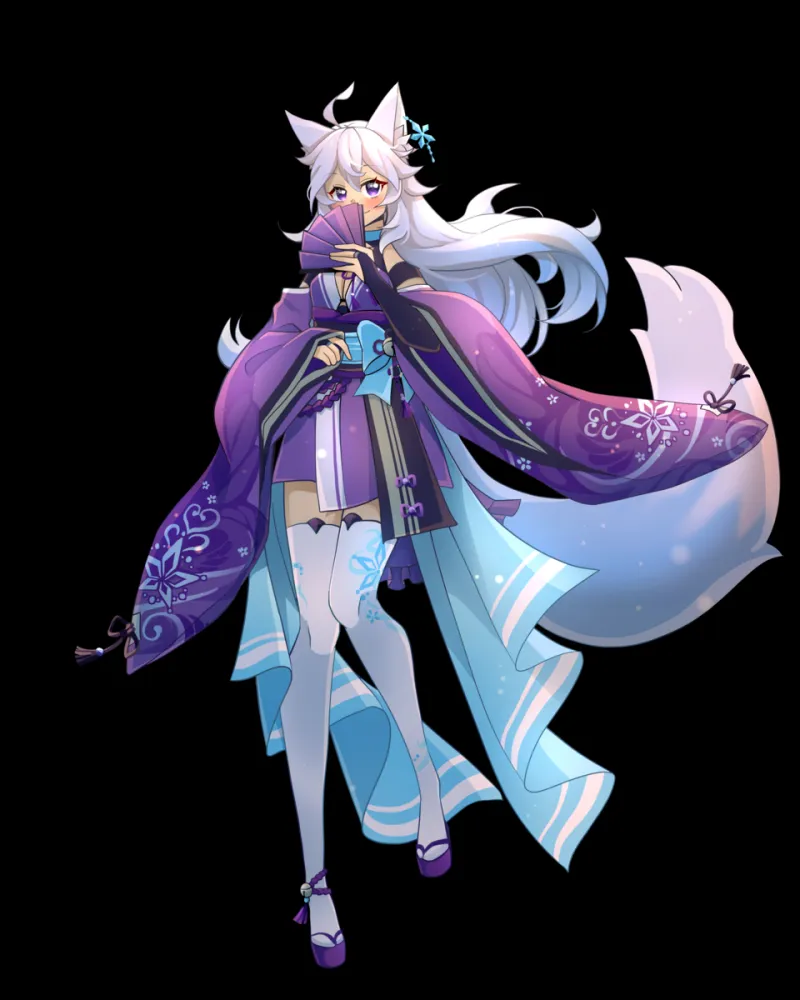
Photo: FoxHelper, CC BY 4.0, via Wikimedia Commons
Not long ago, if you told your average American gamer that some of the most-watched gaming streamers on the internet would be anime-style avatars voiced by performers hiding their real identities, you'd probably get a blank stare. Fast forward to today, and VTubers — short for Virtual YouTubers — are pulling millions of viewers, selling out merchandise drops in minutes, and headlining gaming events alongside flesh-and-blood streamers. The rise has been nothing short of stunning.
So what exactly happened? And why are US audiences, who've historically been skeptical of anything that feels too "import," now completely bought in?
A Quick History Lesson (Don't Worry, It's Fun)
The VTuber concept was essentially born in Japan around 2016, when a virtual character named Kizuna AI started posting gaming videos on YouTube with a bubbly personality and a slick 3D avatar. She didn't just play games — she reacted, joked, and connected with viewers the same way any traditional YouTuber would. The only difference was that nobody knew who was behind the screen.
The format exploded in Japan almost immediately. Agencies like Hololive Production and Nijisanji built entire rosters of VTuber "talents," each with distinct personalities, lore, and fanbases. Think of it like a cross between an idol group and a Twitch streamer — but make it anime. By 2020, Hololive had launched an English-speaking branch, and the Western internet was about to get introduced to a whole new world.
The Hololive English Effect
If there's a single turning point that cracked open the US market, it's the debut of Hololive English's first generation — known as "Myth" — in September 2020. Characters like Gawr Gura, a shark-themed VTuber with a deadpan sense of humor and an inexplicable ability to make everything hilarious, went viral almost overnight. Gura would go on to become the most-subscribed individual VTuber in the world, surpassing 4 million YouTube subscribers faster than most legacy gaming channels ever dreamed of.
What made Myth click with American viewers wasn't just the novelty. It was the content itself. These weren't stiff, corporate-produced characters reading scripts. They were genuinely funny, chaotic, and relatable — playing games badly, having meltdowns over horror titles, and building genuine friendships on stream that fans could follow in real time. The anime aesthetic was the wrapper, but the content underneath felt completely natural to Western streaming culture.
Why the Avatar Changes Everything
Here's where things get psychologically interesting. A lot of first-time viewers assume the avatar is a gimmick — a costume that'll wear thin fast. But longtime fans will tell you the opposite is true. The virtual character creates a kind of creative freedom that traditional streaming doesn't allow.
Performers can build a persona that's amplified, theatrical, and consistent without the pressures of physical appearance or real-world identity. For viewers, there's something almost theatrical about it — like watching a favorite character come to life every stream. The line between "streamer" and "character" blurs in a way that's uniquely compelling, and it taps into something anime fans already understand intuitively: you can care deeply about a fictional persona.
There's also a parasocial dynamic that VTuber agencies have become incredibly skilled at cultivating. Regular streams, community interaction, and ongoing narrative arcs — like character birthdays, anniversaries, and inter-VTuber drama — keep audiences emotionally invested in ways that feel closer to following a TV show than subscribing to a YouTube channel.
Independent VTubers Are Changing the Game Too
While the big agencies get most of the headlines, the indie VTuber scene in the US has quietly exploded. Platforms like Twitch have become home to hundreds of independent creators who've built their own avatars using tools like VTube Studio and Live2D, launching careers without any corporate backing.
Creators like Ironmouse — who's been open about her real-life health challenges and has built one of the most passionate communities in VTubing — show that the format isn't just a Japanese export anymore. It's being remixed and reimagined by American creators who are making it their own. Ironmouse even became the most-subscribed Twitch streamer for a period, a milestone that would've seemed impossible to predict just a few years ago.
The Crossover Into Mainstream Gaming Culture
The proof that VTubing has truly arrived in the mainstream isn't just subscriber counts — it's the collaborations. VTubers have played games alongside major developers during launch events, appeared at gaming conventions, and been featured in sponsored streams for AAA titles. Game publishers have started treating VTubers as a legitimate marketing channel, right alongside traditional influencers and esports personalities.
Merchandise sales tell the same story. Hololive's English talents regularly sell out physical goods — acrylic figures, plushies, apparel — within minutes of a drop going live. That's not niche behavior. That's a dedicated consumer base that rivals any mainstream gaming fandom.
What's Next for VTubing in America?
The format is still evolving fast. New agencies are launching English-first rosters, 3D concert technology is getting more sophisticated, and some VTubers are beginning to explore crossovers into music, voice acting, and even conventional media. The question isn't really whether VTubing will stick around — it's how far the format will stretch.
For American gaming culture, which has always had a complicated relationship with Japanese pop imports, the VTuber wave represents something genuinely new: a Japanese-born format that didn't just survive the translation to Western audiences — it thrived on its own terms. And honestly? That's pretty cool to watch in real time.