Beyond the Dealer's Room: How Anime Cons Went From Basement Gatherings to Cultural Juggernauts

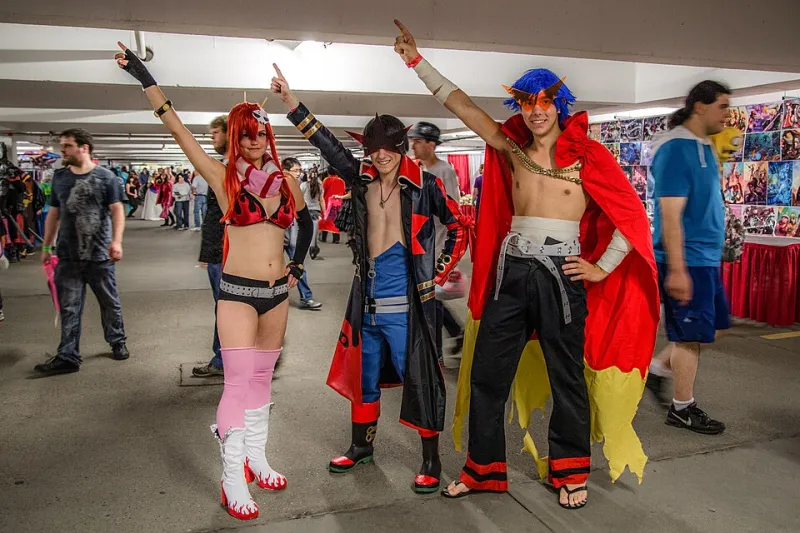
Photo: John (Phoenix) Brown, CC BY 2.0, via Wikimedia Commons
If you've ever waited in a badge line at 6 AM, sweating through a foam armor cosplay while the sun barely crests the horizon, you already know: anime conventions aren't casual affairs. They're pilgrimages. And for millions of American fans, they've become the single most important cultural event of the year — bigger, in many ways, than anything Hollywood puts together.
But how did we get here? How did a hobby once confined to VHS tape trades and mimeographed newsletters transform into a billion-dollar live events industry that mainstream entertainment companies are desperately trying to crack?
The Humble Origins Nobody Talks About Enough
The story usually starts somewhere in the late 1970s and early 1980s, when small clusters of science fiction convention-goers started carving out panels specifically for Japanese animation. These weren't standalone events — they were stitched into the margins of larger sci-fi gatherings, sharing floor space with Star Trek memorabilia and hand-painted D&D maps.
The first dedicated anime convention, Anime Expo, launched in 1992 in San Jose, California, drawing around 1,800 attendees. That number sounds laughable now. Anime Expo 2023 pulled in over 115,000 badge holders across four days at the Los Angeles Convention Center, making it one of the largest fan conventions in the entire country, full stop. Otakon, which runs annually in Washington D.C., regularly hits 25,000 to 30,000 attendees and has become a fixture on the East Coast fan calendar.
That growth didn't happen by accident.
The Economics Behind the Explosion
Conventions are expensive to run. Venue rentals at major convention centers cost hundreds of thousands of dollars. Guest travel, programming, security, and infrastructure add up fast. So how are these events not only surviving but expanding?
The short answer is that they've become indispensable marketing platforms.
Japanese studios, American licensors, streaming giants, and merchandise companies have figured out that anime conventions are the single most concentrated gathering of their core audience anywhere in the world. A panel at Anime Expo isn't just a fan Q&A — it's a product launch. It's a trailer drop. It's a licensing announcement that will ripple across social media for days.
Crunchyroll, Funimation (now merged under Sony's umbrella), and Netflix Anime have all treated major cons as de facto press events, timing major announcements to coincide with convention weekends. When a new season of a beloved franchise gets announced from a convention stage, it hits differently than a press release. The crowd reaction becomes content. Clips go viral. Fans who weren't even there feel the energy.
Sponsorship revenue has also matured significantly. Energy drink brands, gaming peripheral companies, and even mainstream fashion labels have recognized that con attendees skew young, tech-savvy, and brand-loyal. Floor space that once went to small indie artists now competes with corporate activations featuring photo ops, giveaways, and influencer meetups.
Community Roots vs. Corporate Growth — A Real Tension
Not everyone is thrilled about this trajectory, and honestly, that tension is worth sitting with.
Long-time con-goers frequently describe a shift in atmosphere over the past decade. The dealer's room, once a chaotic treasure hunt of bootleg DVDs and hand-sewn plushies, now features polished retail setups from Crunchyroll Store and official merchandise drops that sell out within hours. Badge prices have climbed. Hotel room blocks fill up months in advance. The grassroots, chaotic energy that made early conventions feel like a secret club has, for many, been smoothed out into something more legible — and more expensive.
Organizers walk a genuine tightrope here. Events like Otakon have maintained a nonprofit structure, reinvesting revenue back into programming and keeping badge prices relatively accessible. Others have taken on investors or corporate partners, which funds growth but introduces pressures that don't always align with fan interests.
The volunteer culture that built these events — and still powers them — often feels undervalued in the corporate era. Many conventions run on thousands of unpaid hours from fans who genuinely love the community. That's a resource that's easy to take for granted.
Why These Events Actually Matter for Anime's Mainstream Moment
Here's the thing that gets overlooked in conversations about anime's rise in America: streaming numbers and Netflix licensing deals tell part of the story, but conventions tell the rest.
Anime's mainstream acceptance in the US didn't come purely from algorithmic recommendations. It came from physical community. It came from kids dragging their parents to cons and showing them that this wasn't just cartoons. It came from cosplay photos going viral on Instagram and TikTok, from convention AMVs racking up millions of views, from the sheer spectacle of tens of thousands of people dressed as their favorite characters filling a convention center floor.
Conventions created proof of concept — visible, undeniable proof that this audience existed, that it spent money, that it was passionate and organized and growing. That proof made it easier for studios to justify dubbing more titles, for retailers to stock more merchandise, for streaming platforms to invest in simulcasts.
What's Next for the Con Scene
The pandemic years were brutal for live events, and conventions weren't spared. Many went virtual in 2020 and 2021, with mixed results. Virtual panels and online dealer rooms worked okay for information delivery but couldn't replicate the social texture that makes cons worth attending in the first place.
The return to in-person events since 2022 has been emphatic. Attendance numbers bounced back fast, and in many cases exceeded pre-pandemic highs. If anything, two years of not being able to gather seemed to remind the community exactly why these events matter.
Looking ahead, the interesting questions are about accessibility and sustainability. Can conventions continue growing without pricing out the younger fans who represent the next generation of the community? Can they balance corporate partnerships with the grassroots identity that makes them special? And as anime continues going mainstream, will the convention scene feel more like Comic-Con — a massive entertainment industry showcase — or hold onto something more intimate and fan-driven?
The answer probably depends on who's buying badges, who's volunteering, and who's showing up with a half-finished cosplay and boundless enthusiasm at 6 AM.
Some things, at least, haven't changed.